News
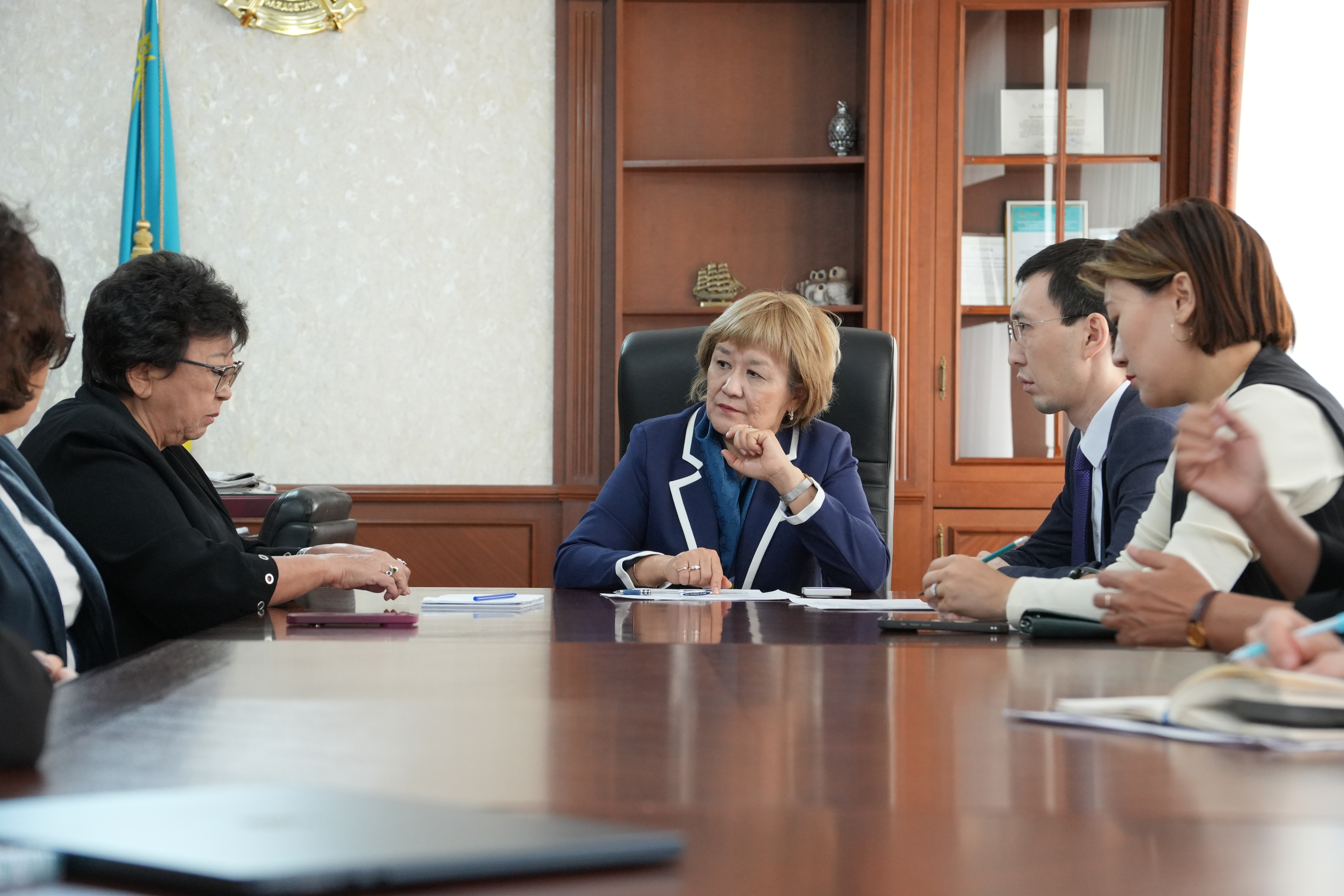
On September 23, 2026, WHO consultant, Doctor of Medical Sciences, Professor G.O. Abuova visited our university. During the meeting with the university's leadership, attended by A.K. Izdenov, Head of the Department of Medical Education at the Department of Science and Human Resources of the Ministry of Healthcare of the Republic of Kazakhstan, where the parties emphasized the importance of teaching immunoprophylaxis issues, formation of competences on interpersonal communication in vaccination, and sequence of study fr om the undergraduate level. Chairperson of the Board - Rector, B.N. Kosherova, highlighted the extreme importance of studying immunoprophylaxis issues, including for mid-level medical professionals, and emphasized the importance to develop final learning outcomes, and compliance to regulatory legal acts when integrating vaccination issues into educational programs. Moreover, consistent incorporation to the subjects into undergraduate courses, studying vaccine-preventable infections in senior courses will be aimed at achieving the ultimate goal: targeted immunization coverage of the population.
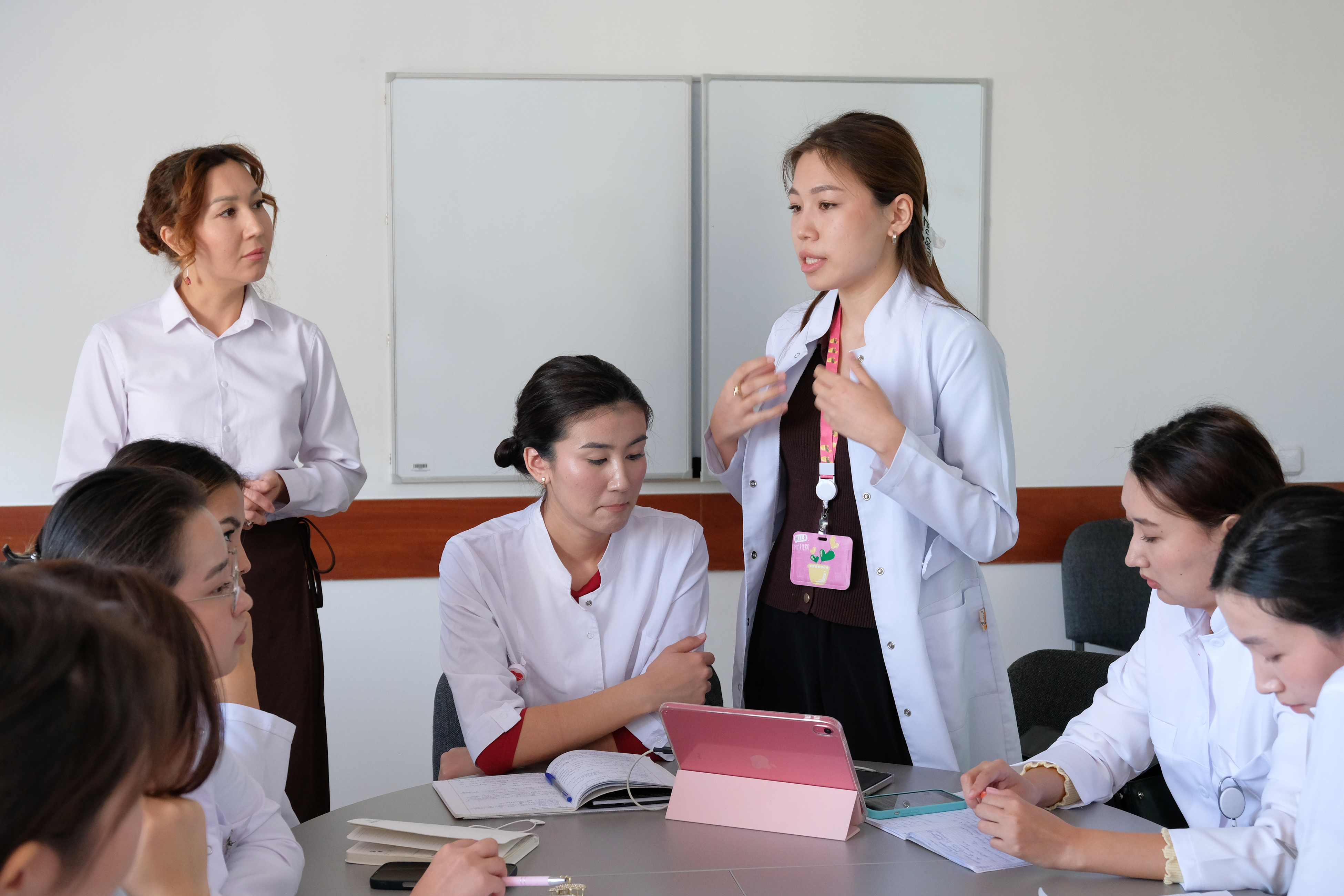
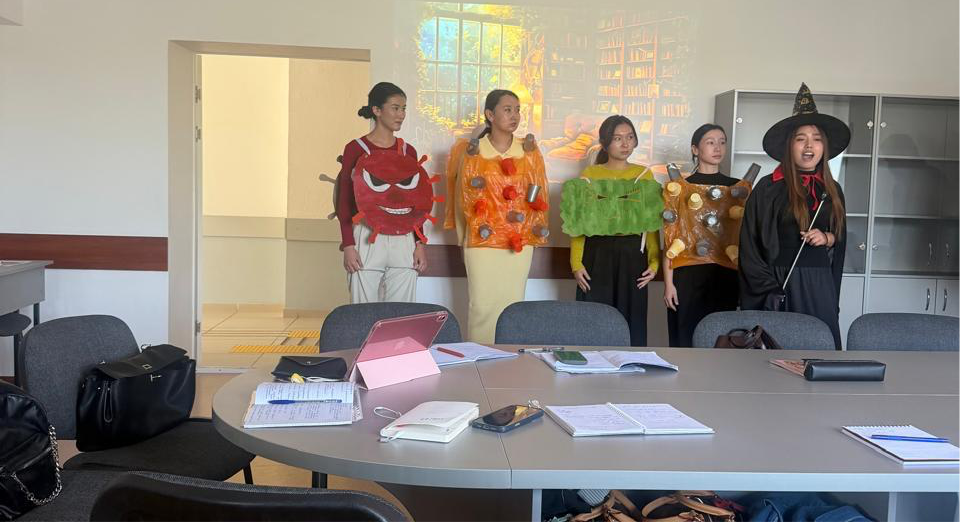
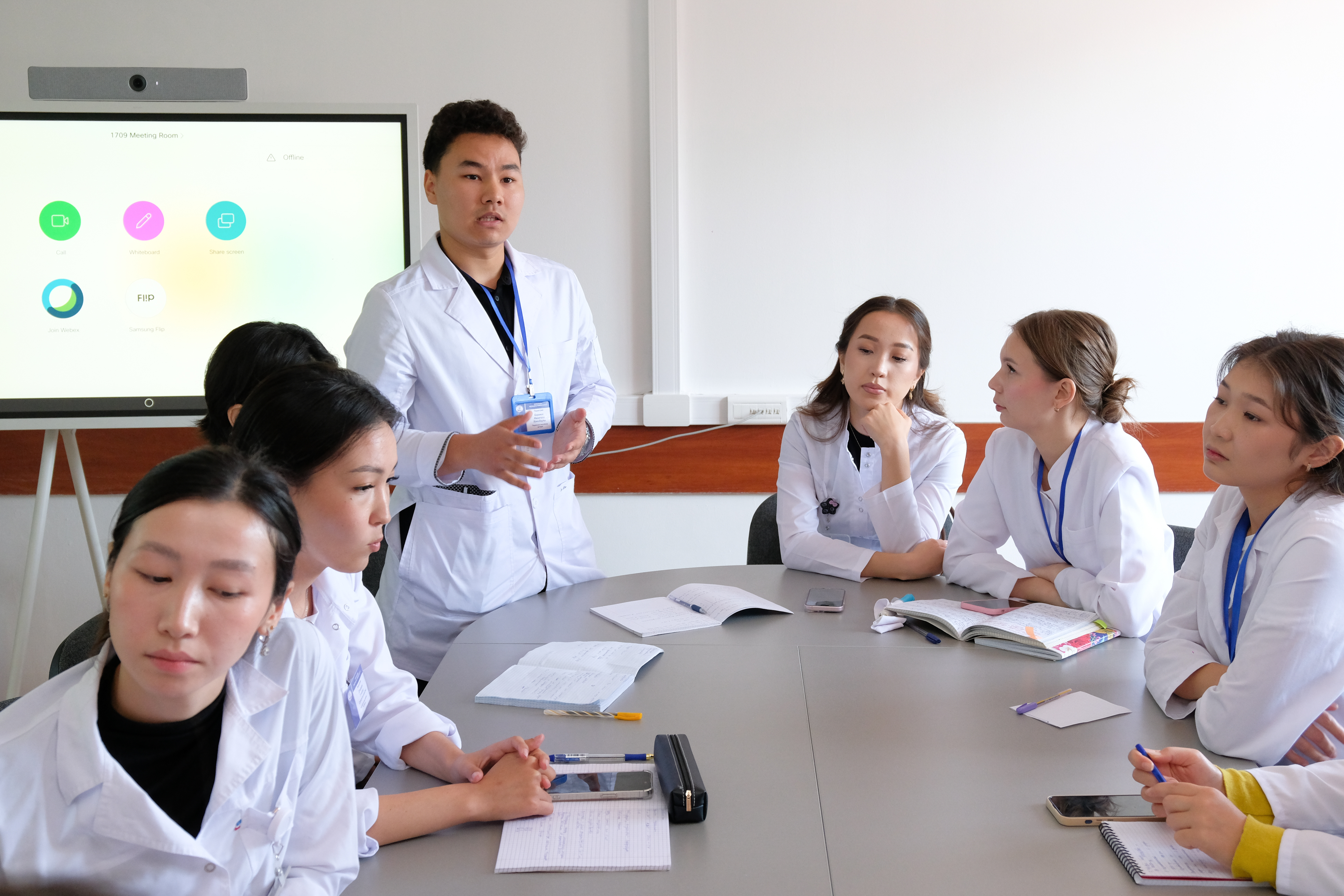
During the visit, a seminar class was held with the participation of interns from the group 6-005, focusing on contraindications for preventive vaccinations, in accordance with regulatory legal acts, and medical exemptions. The session was conducted by PhD, Associate Professor at the Department of Pediatrics and Neonatology, A.A. Zhanpeissova. The interns actively participated in the clinical case study, demonstrating their knowledge of the procedures for preparation of medical records in building counterindications and medical exemptions, provided examples from their practice. Intern B. Kaztayeva presented data on implementation of the vaccination plan in the assigned area, wh ere acute respiratory viral infections (ARVI) were the most common reason for medical exemptions. Interns from the group 600-4, under the guidance of Doctor of Medical Sciences, Professor B.T. Tukbekova, presented their independent work on interpersonal communication during vaccination, choosing the WHO brochure "The Brave Vaccine" for the presentation. The result was an engaging role play involving an evil witch and a vaccine, illustrating the impact of microbes on a child's body. It culminated in dialogue between a doctor and child's mother, with elements of active listening as the foundations of interpersonal communication. Students were suggested to use operating phrases for effective communication depending on the situation. Interns provided feedback, for instance, A. Toktamyssova noted that such forms of independent work foster a deeper understanding of communication dynamics, and that gamification helps unlock the students' potential. Intern B. Abibulla also shared her impressions, that stepping into the role of a "witch" allowed her to visualize the diverse attitude of people toward vaccination, yet this did not alter her personal belief regarding the importance of vaccination in ensuring the protection of every child's health. Following the sessions, the experts gave valuable advice on the content and importance of adhering to WHO methodology during training. The discussion was attended by Professor G.K. Alshynbekova, Head of the Department of Pediatrics and Neonatology, and the heads of the "Pediatrics" and "General Medical Practice" educational programs.
 An important step was the discussion regarding the content of immunoprophylaxis issues in educational programs. Deans, heads of departments, program directors, and academic teaching staff from departments participated in the discussion. Course syllabi containing immunization issues were prepared. An expert presented the analysis of educational programs on immunization issues at our university, and the results of surveys conducted among students and academic teaching staff of the university. It was noted that the syllabi for a number of educational program courses address immunoprophylaxis issues and elements of interpersonal communication in vaccination. At the same time, there was a suggestion for the need for continuity in teaching immunoprophylaxis issues and integrating WHO competencies into both training and practice. The recommendations received during the visit will be taken into consideration to improve educational programs regarding immunoprophylaxis issues.